Biography
Tiya Miles
Michael Garvey Professor of History, Harvard University
Radcliffe Alumnae Professor, Harvard Radcliffe Institute; Former Director, Charles Warren Center for Studies in American History, Harvard University
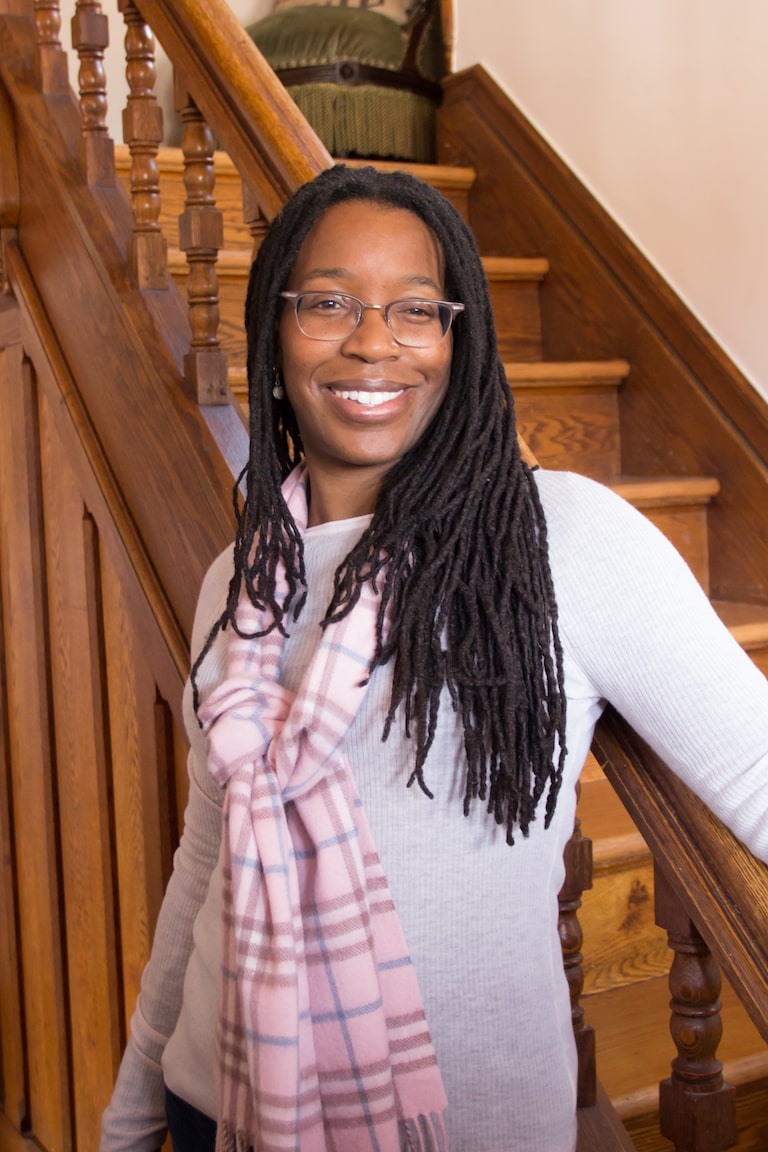
I was born and raised in Cincinnati, Ohio, where my parents and many of my siblings, aunts, uncles, and cousins still reside. I currently live in Cambridge, Massachusetts in a neighborhood dotted with varied tree specimens that make up the remnants of an old arboretum. My companions at home include my husband, the academic psychologist Joseph Gone, our three children, a black labrador retriever, and a plush tabby cat. When my twin daughters were young, I was an avid reader of feminist mysteries. I was then, and I am still, a fan of old houses and chocolate chip ice cream (especially from Graeter’s). My favorite color is purple (shading into blue).
I am the author of eight books, including four prize-winning histories about race and slavery in the American past. I am a two-time winner of Yale’s Frederick Douglass Prize and a two-time winner of the National Council on Public History Book Award. My latest work is Night Flyer: Harriet Tubman and the Faith Dreams of a Free People, which was a finalist for the National Book Critics Circle Award for Biography. My 2021 National Book Award winner, All That She Carried: The Journey of Ashley’s Sack, a Black Family Keepsake, was a New York Times bestseller that won eleven historical and literary prizes, including the Cundill History Prize. All That She Carried was named A Best Book of the Year by The New York Times, The Washington Post, The Boston Globe, The Atlanta-Journal Constitution, NPR, Publisher’s Weekly, The Atlantic, Time, and more. My other nonfiction works include Wild Girls: How the Outdoors Shaped the Women Who Challenged a Nation, The Dawn of Detroit, Tales from the Haunted South, The House on Diamond Hill, and Ties That Bind. I published essays and reviews in The New York Times, The Boston Globe, The Atlantic, The New York Review of Books, and other media outlets, and I am the author of the novel, The Cherokee Rose, a ghost story set in the Native American plantation South.
I have consulted with colleagues at historic sites and museums on representations of slavery, African American material culture, and the Black-Indigenous intertwined past, including, most recently, the Fabric of a Nation quilt exhibition at the Museum of Fine Arts in Boston. My work has been supported by a MacArthur Foundation “Genius” Award, the Mellon Foundation, the National Endowment for the Humanities, and the Guggenheim Foundation. I am currently the Michael Garvey Professor of History and a Radcliffe Alumnae Professor at Harvard University.
I love trees, wish I could speak French, and dream of going back to the Caribbean someday.
As a historian, what can’t you live without?
Which invaluable, indispensable and priceless tool helps you carry out the work your profession demands?
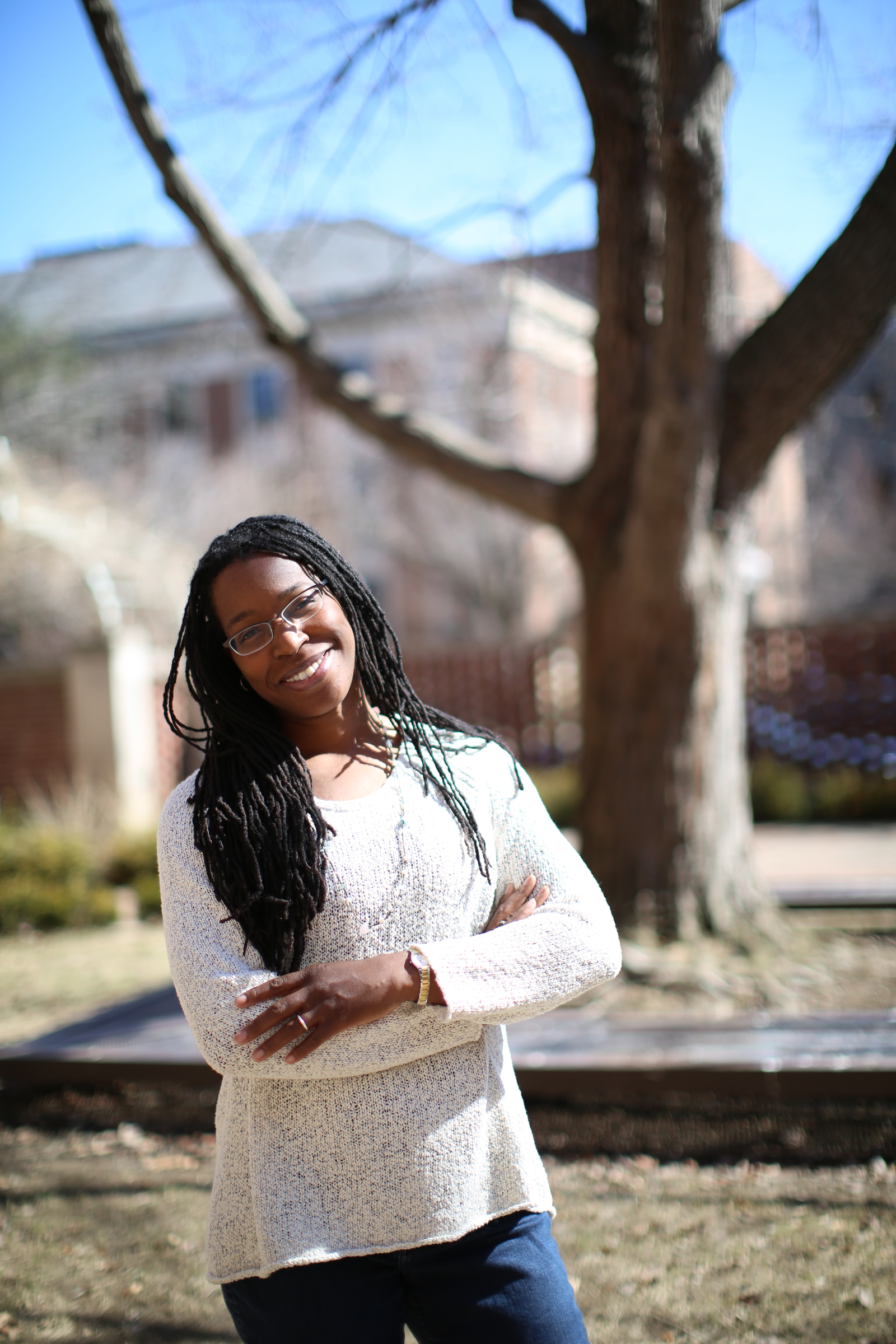
“I can’t live without a view to the outside while I’m writing. Sometimes I look out to reassure myself that the material on my desk or computer screen (almost always pertaining to historical slavery) really is of a different time. Thank goodness for social change. I can’t live without my colorful Post-it notes that proliferate with each new project and cover every inch of my desk. They always include an original note listing core ideas or approaches that I want to weave through a project. The list (on a sky blue Post-it that I still have) for my last work of history, The House on Diamond Hill, was: “grace, restraint, depth.”
– Professor Tiya Miles, University of Michigan
See more author answers.
My grandmother used to tell me stories
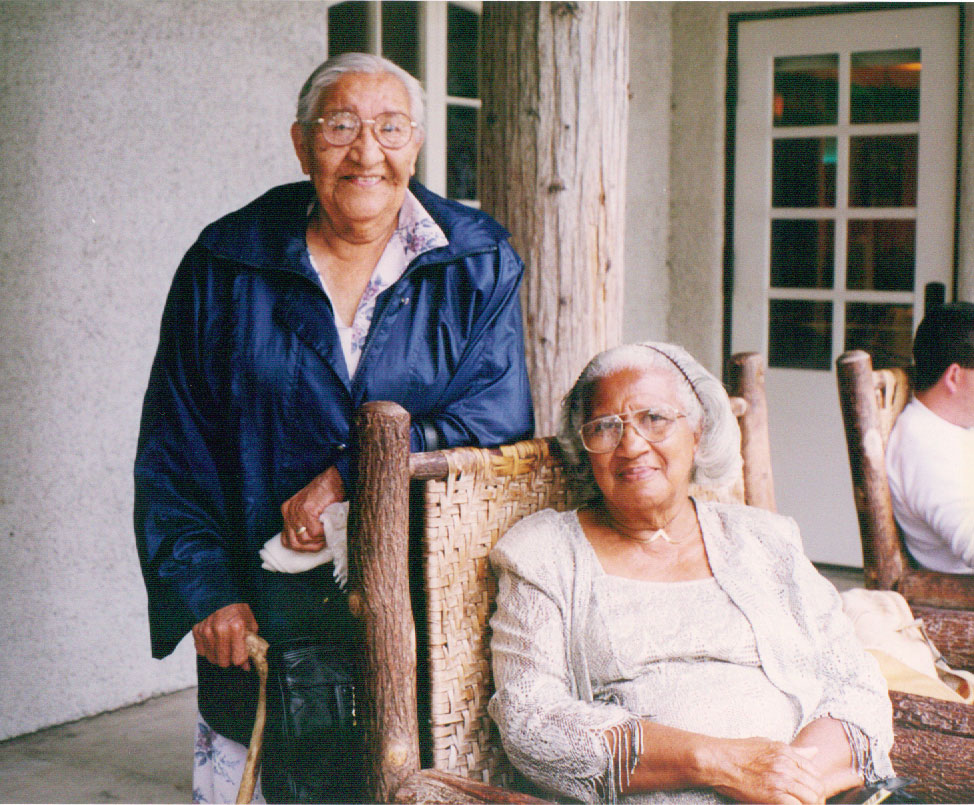
My grandmother used to tell me stories about her father, a man born into slavery who claimed African American as well as Native American forebears. His name was Price. He lived in Mississippi as a boy and felt the immediate, transformative effects of the U.S. Civil War. He came of age as a free man, but faced the brutal limitations of unrelenting racial prejudice. He had children; they had children; those children had children, and here I am.
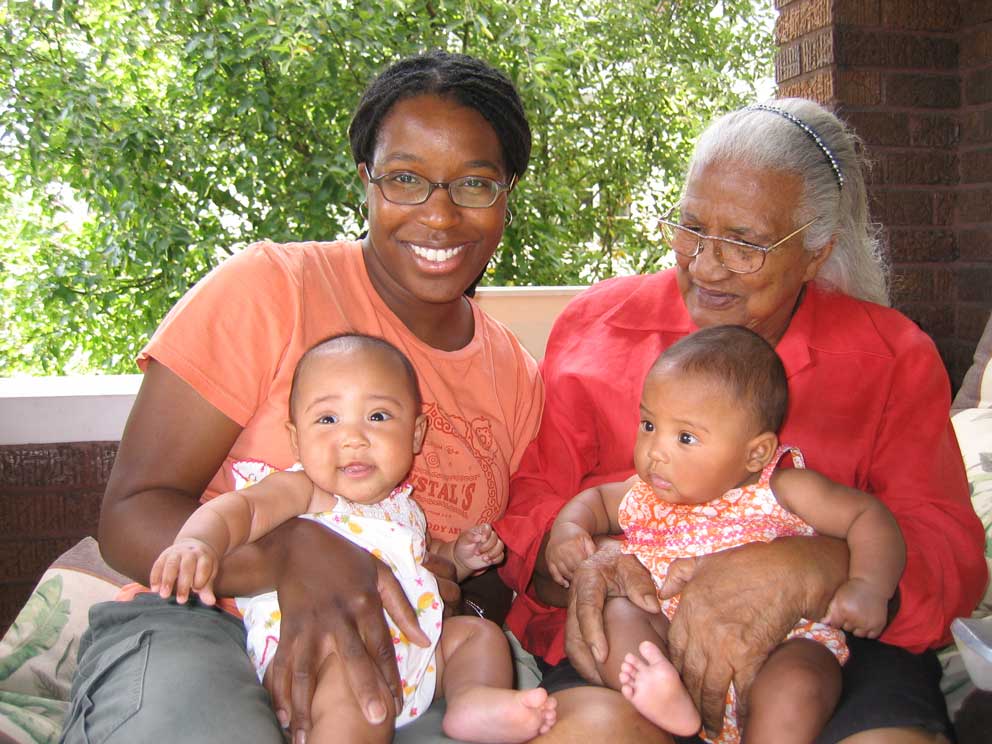
My grandmother never finished grade school. She picked cotton as a girl down South, then cleaned homes for white families to make a living for her own twelve children in the North. She is the most brilliant person I have ever known. When I was admitted to Harvard College, my grandmother told me that one of her employers had a son who was a professor there. She couldn’t believe that her granddaughter would be at the same school, not as his maid, but as a student.
The memory of my grandmother’s beaming pride at my graduation, after all of her years spent stooping down in cotton fields and kitchens, still brings tears to my eyes. She passed away at the age of 90, just before my twin daughters reached their first birthday. She had a lovely funeral. As my grandmother would say, we sent her home in “high cotton.”
The Metaphysics of History
When I travel to give presentations on my work, I most often hear feedback on an interview with Krista Tippett, titled “On Living Memory,” where I talked about the metaphysics of history. Here it is:
The magic of history may be this: with time comes change. So how can we channel that magic? How can we shape that inevitable change for the betterment of our planet Earth and all of her motley residents – the animate and the inanimate, the weak as well as the strong? How can we play our parts in history for the greater good? How can we make history together, aligning in our minds the reality of change and the righteousness of justice?
The Call of the Ancestors
A quotation from my mother, upon learning that I had just won a MacArthur Foundation Fellowship:
Go make your ancestors proud.
The Call of History
A quotation from Toni Morrison, “The Site of Memory”:
[T]hey straightened out the Mississippi River in places, to make room for houses and livable acreage. Occasionally the river floods these places. ‘Floods’ is the word they use, but in fact it is not flooding; it is remembering. Remembering where it used to be. All water has a perfect memory and is forever trying to get back to where it was. Writers are like that: remembering where we were, that valley we ran through, what the banks were like, the light that was there and the route back to our original place. It is emotional memory–what the nerves and the skin remember as well as how it appeared. And a rush of imagination is our ‘flooding.